

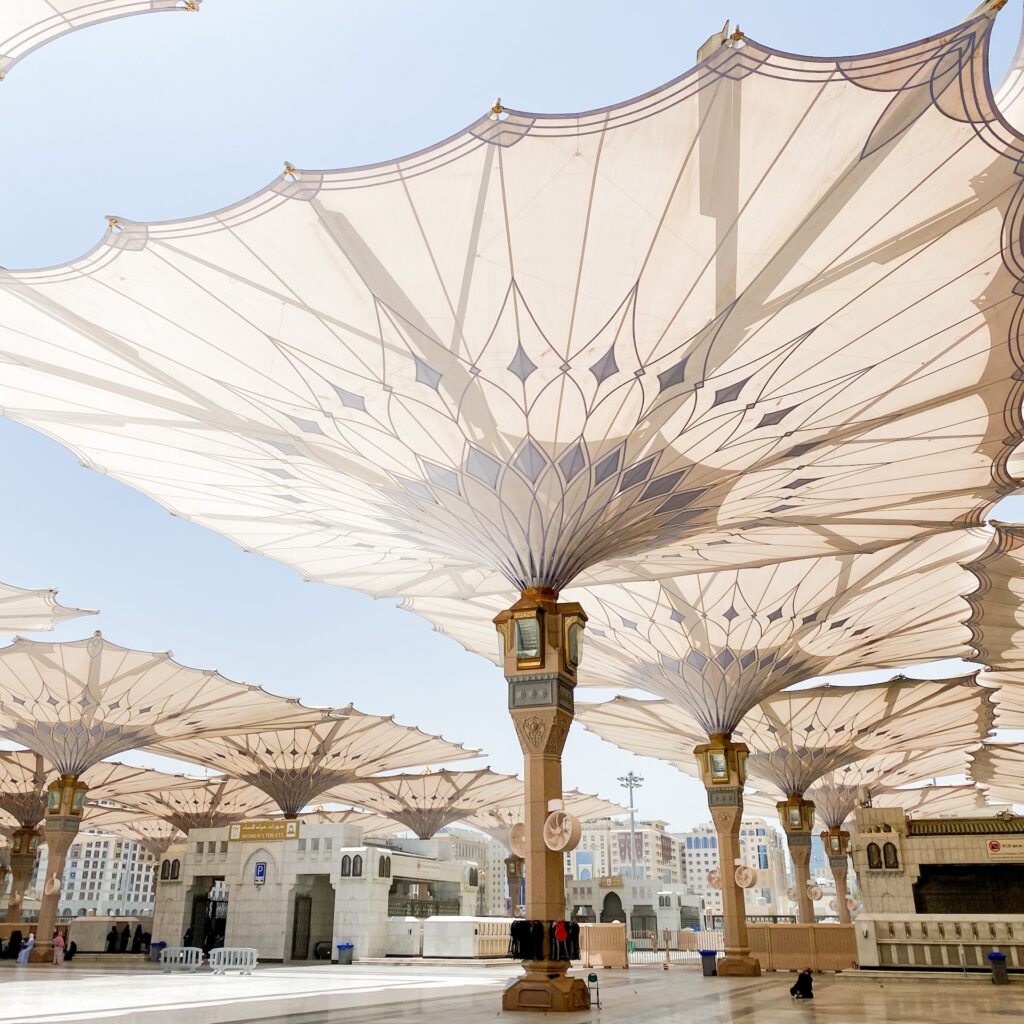
A spiritual journey of faith
The first pilgrimage or Umrah, was the first pilgrimage that the Islamic prophet Muhammad and the Muslims made after the Migration to Medina.
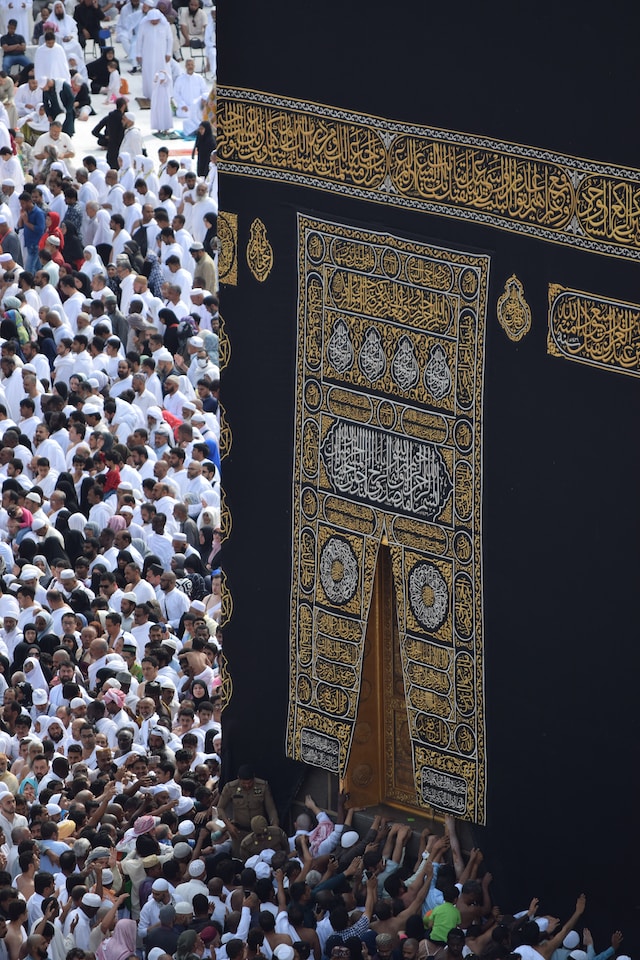
Umrah is a journey to the holiest place of Muslims, the holy Kaaba (House of God) in Mecca. Men and women of different ethnic groups, social statuses, and cultures can make this spiritual journey of faith. It is a journey of devotion to Allah.
No matter where Muslims are in the world, they face the Kaaba when offering their five daily prayers.
Difference between Umrah and Hajj
The Hajj is one of the largest annual gatherings in the world, with over two million pilgrims attending from around 188 countries each year. It is estimated that several million more pilgrims perform Umrah every year, most likely because it is cheaper and faster to perform.
In contrast to the Hajj, the holy journey of Umrah takes just several hours to complete and can be performed at any time of the year. Only between the 8th and the 13th of Dhul Hijah, the last month in the Islamic lunar calendar, can the Hajj be performed.
While Umrah is voluntary, Hajj is an obligatory pilgrimage for those who can afford it and are physically fit. Muslims who can perform Hajj should do it at least once in their lives, as it’s one of Islam’s five pillars.
Umrah rituals and practices
In Islam, there are two types of Umrah: Al Umrah Al Mufradah (optional before performing Hajj) and Umrah Al Tammatu (obligatory before Hajj). Here we talk about the rituals of Umrah in general.
These acts and rituals signify complete submission to Allah, while not glorifying appearance over spirituality. Once all these spiritual acts are performed, the pilgrim is considered free from their sins.
Every Muslim must perform three major pillars of Umrah rituals. The steps to Umrah are as follows.
Ihram: Intention for pilgrimage
A worshipper must first enter a state of ihram, a holy state, upon reaching the Miqat. This is the principal boundary through which Muslim pilgrims intending to perform the pilgrimage must cross.
Pilgrims wash and cleanse themselves after reaching the miqat, then take off their stitched clothes and put on the Ihram attire. The next step is to declare one’s intention to enter ihram, and have to recite the talbiyah, a prayer.
In order to reach the Kaaba, pilgrims must say it repeatedly. At the Kaaba, they must approach the Black Stone while uttering takbir (Allahu Akbar).
Tawaf: Around the Holy Kaaba
The Tawaf is then performed, which involves circling the Kaaba seven times and kissing the Black Stone every time you pass it or point at it from afar.
A pilgrim should pray two rakats after completing Tawaf. These prayers are only valid if the pilgrim recited the du’aa: supplication throughout each of the seven circles.
To complete all seven rounds, the pilgrim should finish the seventh exactly where they began.
Sa’I: Seven rounds between Safa and Marwah in worship
Once Tawaf is completed, Sa’I begins between Safa and Marwa, by walking between the two points. To see the holy Kaaba from the Safa door with supreme devotion and love, pilgrims must ascend the hill of Safa.
Then, they must climb down again and move towards the hill of Marwah whilst reciting ‘Subhan Allah’ and approaching the two green pillars. They have to repeat this act seven times, each round being at least 450 meters long.
In order to complete the Sa’i, the male pilgrims must shave or shorten their hair, while the women must cut their hair in half or less.
“May this Umrah be a life-changing experience for you, filled with spiritual growth and enlightenment.”